

Recycling has become one of the most important environmental practices in today’s world. With growing populations, rising pollution, and increasing waste production, countries and businesses are searching for smarter solutions to manage waste efficiently. One name that has recently gained attention in discussions about smart recycling technology is MataRecycler. Many people are now searching online for terms like “What is MataRecycler?” because the platform is being recognized as a modern and innovative approach to recycling and waste management.
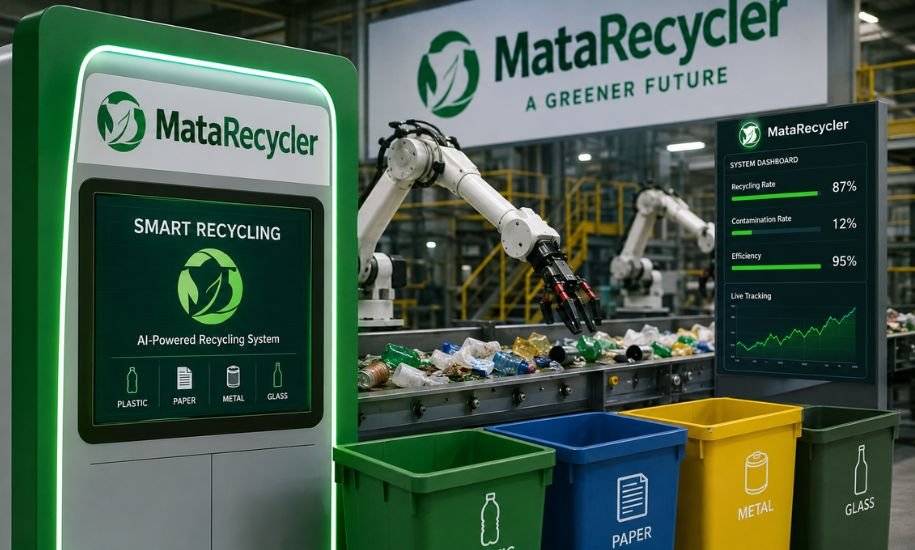
MataRecycler is known as a smart recycling system that uses advanced technologies such as artificial intelligence, automation, data analytics, and Internet of Things (IoT) devices to improve the recycling process. Unlike traditional recycling methods that often rely heavily on manual sorting, MataRecycler focuses on intelligent automation to make recycling more efficient, accurate, and environmentally friendly.
| Quick Bio | Details |
|---|---|
| Name | MataRecycler |
| Type | Smart Recycling Technology Platform |
| Industry | Waste Management & Recycling |
| Main Focus | AI-Based Recycling Solutions |
| Technology Used | Artificial Intelligence, IoT, Smart Sensors |
| Purpose | Improve Recycling Efficiency |
| Key Benefit | Automated Waste Sorting |
| Popular For | Smart Waste Management Systems |
| Environmental Goal | Reduce Landfill Waste and Pollution |
What is MataRecycler?
MataRecycler is a technology-driven recycling platform designed to modernize waste management systems. The system combines smart hardware and intelligent software to automate waste sorting and improve recycling accuracy. Instead of depending entirely on human workers to separate recyclable materials, MataRecycler uses AI-powered systems that can quickly identify different types of waste materials.
The platform is designed to handle several recyclable categories, including plastics, paper, metals, glass, and electronic waste. By using automation and real-time data monitoring, MataRecycler helps recycling facilities and municipalities operate more effectively while reducing environmental damage.
One of the biggest goals of MataRecycler is to reduce contamination in recycling streams. Contamination occurs when non-recyclable materials are mixed with recyclable items, making the recycling process less effective. Through smart detection systems, MataRecycler aims to improve the purity and quality of recycled materials.
How MataRecycler Works
MataRecycler operates through a combination of artificial intelligence, machine learning, sensors, and connected devices. The process usually begins when waste is placed inside a smart recycling unit or collection system.
The technology scans the waste materials using cameras and smart sensors. AI algorithms then analyze the materials and determine the correct recycling category. Once identified, automated systems sort the waste into separate containers for proper processing.
The platform also collects real-time operational data. Waste management companies and municipalities can use this information to monitor recycling rates, track contamination levels, and optimize collection schedules. This data-driven approach improves overall recycling performance and reduces unnecessary operational costs.
Smart sensors can also monitor when recycling bins become full. This allows collection teams to create efficient pickup routes instead of following fixed schedules. As a result, fuel consumption and transportation costs can be reduced significantly.
Why MataRecycler is Becoming Popular
The growing popularity of MataRecycler is closely connected to increasing global environmental concerns. Around the world, governments and organizations are facing major challenges related to waste disposal, pollution, and landfill overcrowding.
Traditional recycling systems often struggle with contamination, inefficiency, and high labor costs. MataRecycler offers a modern alternative by introducing automation and smart technology into the recycling process.
Many experts believe that AI-powered recycling systems represent the future of sustainable waste management. Smart recycling solutions like MataRecycler can help cities become cleaner, more efficient, and environmentally responsible.
Public awareness about sustainability is also increasing rapidly. More consumers and businesses now prefer environmentally friendly solutions, which has created additional interest in advanced recycling technologies.
Key Features of MataRecycler
AI-Powered Waste Sorting
One of the most impressive features of MataRecycler is its artificial intelligence system. The AI technology can recognize different types of materials quickly and accurately. This reduces human error and increases recycling efficiency.
Traditional recycling systems often require large numbers of workers to manually sort waste. MataRecycler automates much of this process, allowing facilities to process larger amounts of recyclable materials in less time.
Smart Sensor Technology
The platform uses IoT-based sensors to monitor waste levels and recycling operations in real time. These sensors help optimize collection schedules and improve operational efficiency.
Smart sensors can also help prevent overflowing bins in public spaces, which contributes to cleaner environments and better waste management.
Real-Time Data Analytics
MataRecycler provides detailed analytics that help organizations understand recycling performance. Managers can track important metrics such as:
- Recycling rates
- Waste contamination levels
- Collection efficiency
- Operational costs
- Material recovery rates
These insights allow businesses and municipalities to make better decisions and improve sustainability programs.
Environmental Sustainability
One of the primary goals of MataRecycler is environmental protection. By increasing recycling efficiency and reducing landfill waste, the platform helps decrease pollution and conserve natural resources.
Better recycling systems also reduce greenhouse gas emissions associated with waste transportation and landfill operations.
Benefits of MataRecycler
Improved Recycling Accuracy
Automated sorting systems can identify recyclable materials more accurately than traditional manual methods. This improves the quality of recycled materials and reduces waste contamination.
Lower Costs
By optimizing waste collection routes and automating sorting processes, MataRecycler can help organizations reduce operational expenses over time.
Cleaner Cities
Smart waste management systems contribute to cleaner public spaces by improving collection efficiency and preventing waste overflow.
Better Resource Conservation
Recycling more materials successfully means fewer raw resources need to be extracted from the environment. This supports long-term sustainability goals.
Support for Smart Cities
Many modern cities are investing in smart infrastructure technologies. MataRecycler fits into this trend by offering intelligent waste management solutions that integrate with digital city systems.
Challenges Facing MataRecycler
Although MataRecycler offers many advantages, the platform also faces several challenges.
High Initial Investment
Implementing smart recycling infrastructure requires significant investment in technology, equipment, sensors, and AI systems. Smaller communities may struggle with these upfront costs.
Public Participation
Even with advanced technology, public cooperation remains essential. People still need to follow proper recycling practices to ensure the system works effectively.
Technology Maintenance
Smart recycling systems require ongoing maintenance and software updates. Technical issues or equipment failures can affect system performance if not managed properly.
Infrastructure Compatibility
Some older waste management systems may require upgrades before they can fully integrate with advanced recycling technologies like MataRecycler.
The Future of MataRecycler
The future of MataRecycler looks promising as environmental concerns continue to grow worldwide. Experts believe that AI-driven recycling systems will play an important role in future smart cities and sustainable communities.
Future developments may include even more advanced machine learning systems capable of identifying complex packaging materials and electronic waste with greater precision. Improved predictive analytics may also help cities forecast waste production patterns and optimize recycling operations more effectively.
As governments and businesses continue investing in sustainability initiatives, platforms like MataRecycler could become increasingly common across urban environments.
The demand for eco-friendly technologies is expected to grow significantly over the coming years. This trend places MataRecycler in a strong position as part of the next generation of smart environmental solutions.
Conclusion
MataRecycler represents an innovative step forward in modern recycling and waste management technology. By combining artificial intelligence, smart sensors, IoT connectivity, and data analytics, the platform aims to solve many of the problems associated with traditional recycling systems.
Its ability to improve recycling accuracy, reduce operational costs, and support environmental sustainability makes it an important example of how technology can help create cleaner and smarter communities. Although challenges such as infrastructure costs and public participation still exist, the long-term potential of MataRecycler remains highly promising.
As interest in sustainable living continues to increase, smart recycling platforms like MataRecycler may become an essential part of the global effort to reduce pollution and protect the environment. At Empire Magazines, we continue exploring innovative technologies that shape a smarter and greener future for everyone.
